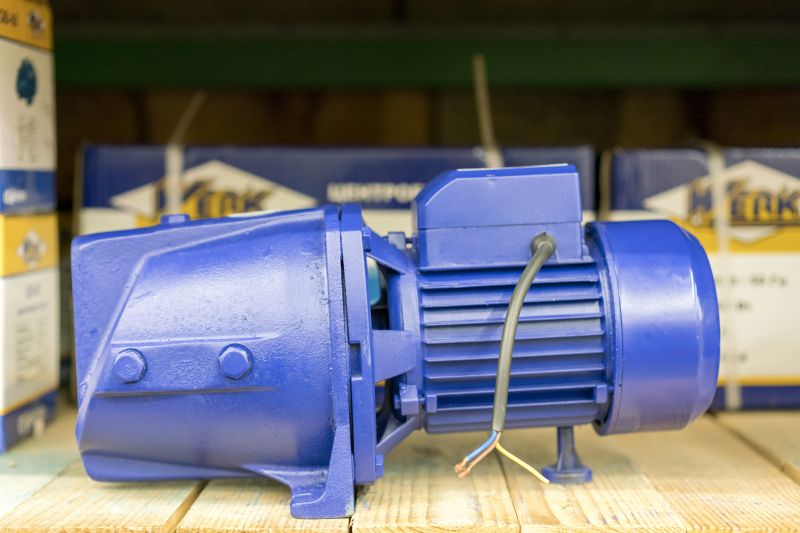
Ejector Pump Installation in Boston, MA
Ejector pump installation services are designed to help homeowners manage wastewater that cannot flow naturally through gravity. This system is commonly used in basement bathrooms, laundry rooms, or other areas where plumbing fixtures are below the main sewer line. An ejector pump works by collecting wastewater in a basin and then pumping it upward to the sewer or septic system, ensuring proper drainage and preventing backups. Projects typically involve installing new ejector pumps in existing plumbing setups or replacing outdated units to improve functionality and reliability.
Homeowners considering ejector pump installation often want to understand the scope of the project, including the placement of the pump, connection points, and any necessary modifications to existing plumbing. It’s important to evaluate the size and capacity of the pump to match household needs and to ensure proper electrical connections. Property owners should also inquire about maintenance requirements and the lifespan of the system to ensure long-term performance. Contacting a professional can help clarify these details and ensure the installation meets local codes and standards.
Many property owners in Boston, MA look into Ejector Pump Installation for repairs, replacements, upgrades, and appearance-related improvements.
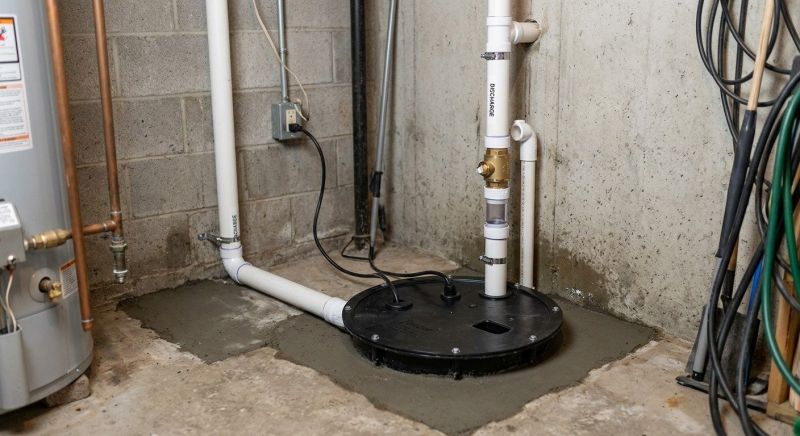
Ejector Pump System Basics
Ejector pumps are essential for removing wastewater from below-grade fixtures in residential and commercial properties.
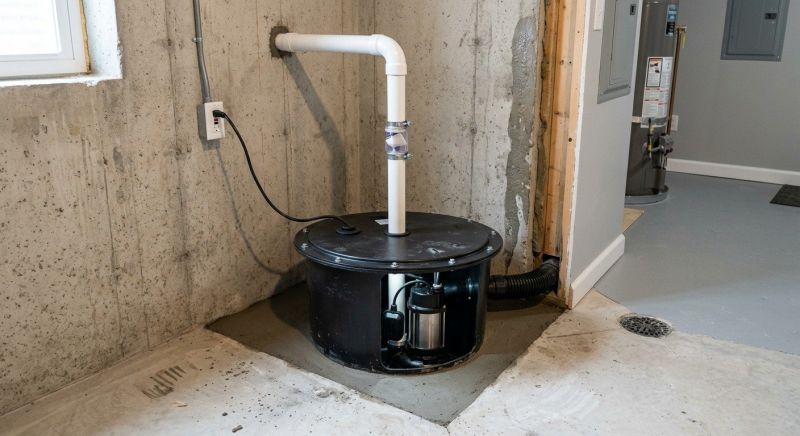
Common Installation Projects
Installing ejector pumps is often necessary when adding bathrooms or basement laundry rooms in boston-area homes.
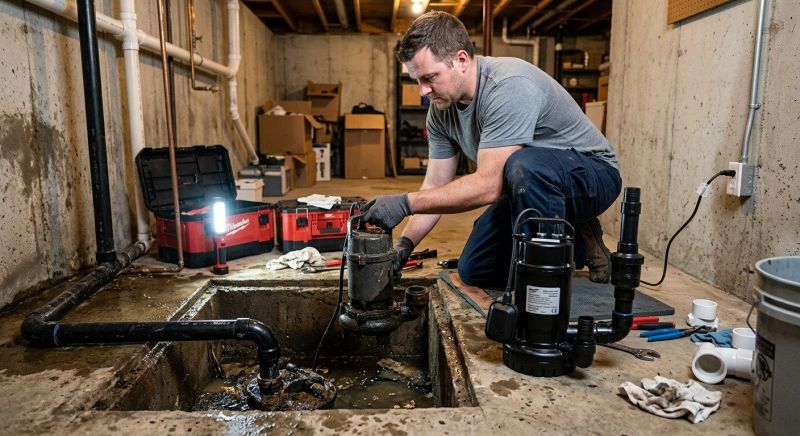
Maintenance And Troubleshooting
Proper installation ensures reliable operation and can help prevent common issues like clogs or pump failure.
Ejector Pump Installation in Boston, MA
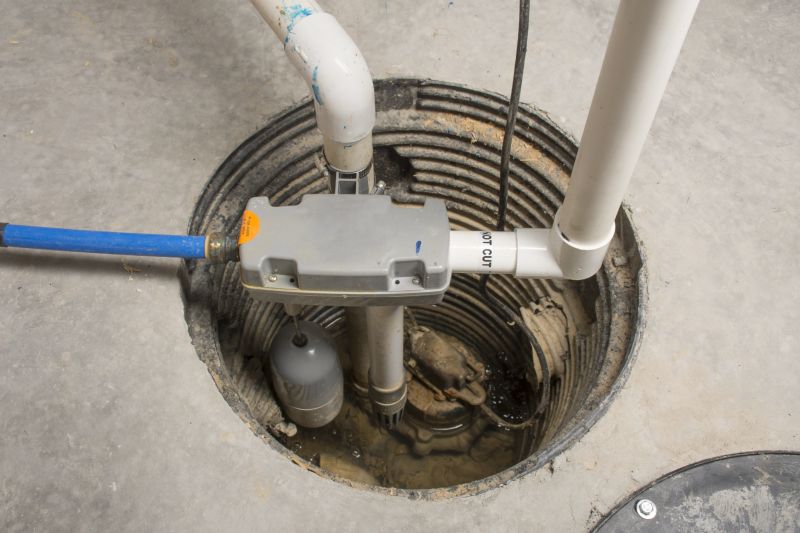
Ejector pump installation services are designed to help homeowners manage wastewater that cannot flow naturally through gravity. This system is commonly used in basement bathrooms, laundry rooms, or other areas where plumbing fixtures are below the main sewer line. An ejector pump works by collecting wastewater in a basin and then pumping it upward to the sewer or septic system, ensuring proper drainage and preventing backups. Projects typically involve installing new ejector pumps in existing plumbing setups or replacing outdated units to improve functionality and reliability.
Homeowners considering ejector pump installation often want to understand the scope of the project, including the placement of the pump, connection points, and any necessary modifications to existing plumbing. It’s important to evaluate the size and capacity of the pump to match household needs and to ensure proper electrical connections. Property owners should also inquire about maintenance requirements and the lifespan of the system to ensure long-term performance. Contacting a professional can help clarify these details and ensure the installation meets local codes and standards.
Many property owners in Boston, MA look into Ejector Pump Installation for repairs, replacements, upgrades, and appearance-related improvements.
Common Ejector Pump Installation Jobs
Residential basement projects - installing ejector pumps to manage wastewater from bathrooms and laundry rooms.
New construction homes - integrating ejector pumps during the building process for proper sewage removal.
Bathroom remodeling - adding or upgrading ejector pumps to handle increased wastewater flow.
Foundation drainage systems - incorporating ejector pumps to prevent water buildup and flooding.
Sewer line repairs - installing ejector pumps as part of a solution to improve sewage flow and prevent backups.
Property upgrades - installing ejector pumps to support additional plumbing fixtures or basement conversions.
Ejector Pump Installation Questions
What is an ejector pump used for? An ejector pump helps remove wastewater from basement bathrooms, laundry rooms, or other areas below the main sewer line.
How do I know if my property needs an ejector pump? Signs include slow drainage, frequent backups, or flooding in lower-level areas that are below sewer line height.
What types of projects typically require ejector pump installation? Ejector pumps are commonly installed in basement bathrooms, wet bars, or any space with a drain located below the main sewer connection.
What should property owners consider before installing an ejector pump? It’s important to evaluate the location, existing plumbing setup, and future needs to ensure proper function and placement.
Request Ejector Pump Installation in Boston, MA
Use the quote form on this page to share the basics of your project and request more information for the type of work you need.