What’s Involved in Professional Land Clearing?
People searching for professional land clearing are typically looking to remove trees, brush, and obstacles efficiently, and local contractors can handle these tasks safely and effectively.
Understanding what’s involved in professional land clearing can be an essential step for property owners considering site preparation, development, or landscaping projects. Whether clearing a lot for construction, creating open space, or removing unwanted trees and brush, knowing the basics helps ensure the process is handled efficiently and safely. Local contractors specializing in land clearing have the experience and equipment to manage these tasks effectively, making it easier for property owners to navigate the complexities involved.
For those in the area exploring options for land clearing, it’s helpful to learn about the practical aspects of the work. This includes assessing the terrain, removing trees and debris, and preparing the land for its next use-all services that local service providers can handle professionally. Keep reading to discover more about what’s involved and how local contractors can assist in making land clearing a smooth and successful part of your property project.
- Tree removal services - needed when clearing land involves removing large or hazardous trees, with local contractors using specialized equipment for safe and efficient work.
- Brush and undergrowth clearing - required for preparing land for development or agriculture, with professionals employing heavy-duty machinery to handle dense vegetation.
- Stump grinding and removal - necessary after tree removal to create a level surface, with local service providers using grinders to eliminate remaining stumps effectively.
- Land grading and leveling - essential for proper drainage and site preparation, with local pros using grading equipment to achieve the desired land contour.
- Debris removal and hauling - important for clearing the site of leftover branches, logs, and debris, with contractors providing cleanup services to leave the land ready for its next use.
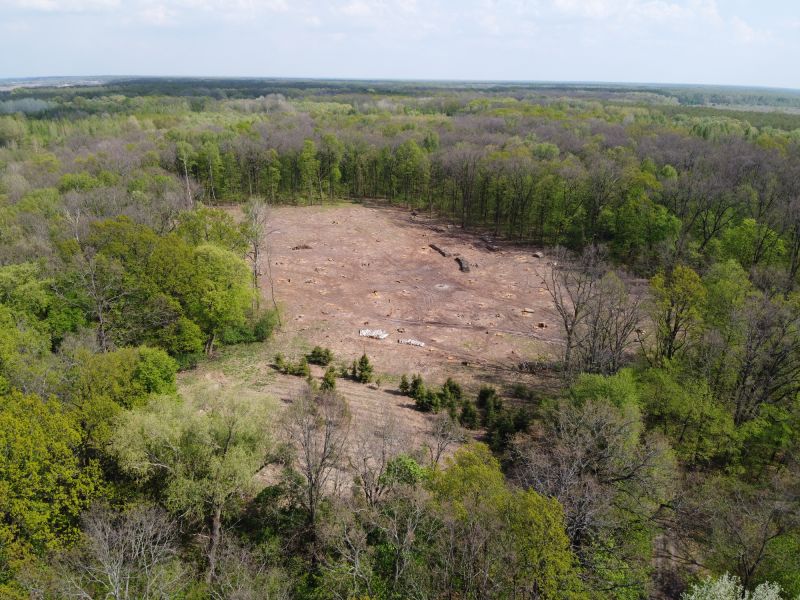
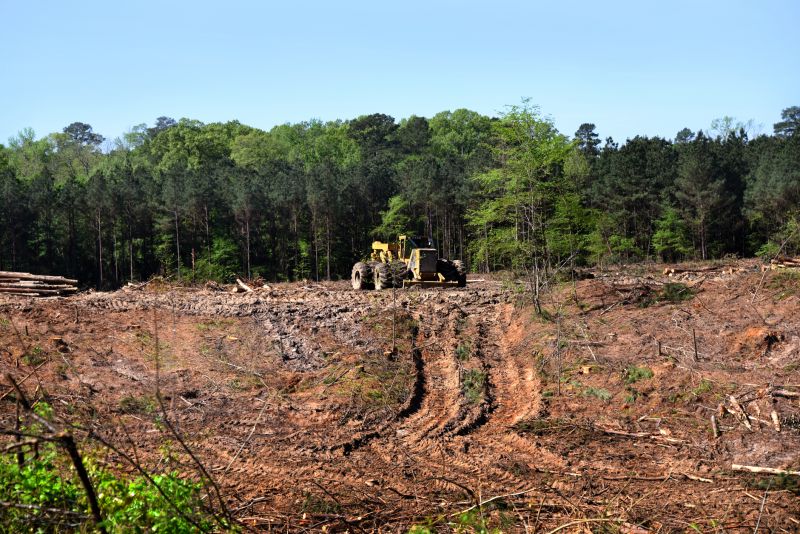
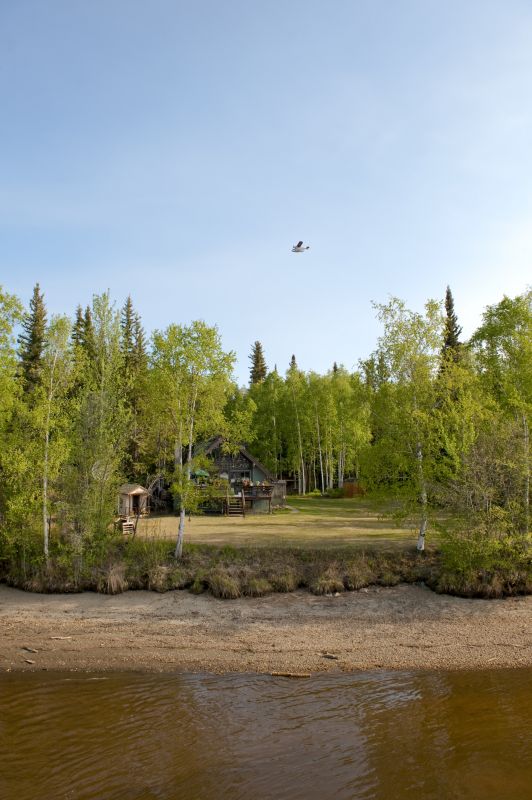
Understanding what’s involved in professional land clearing is essential for anyone planning to develop or improve a property. When people search this topic, they often want to know what tasks and processes are included in clearing land efficiently and safely. Typically, this involves removing trees, shrubs, and other vegetation to prepare the site for construction, farming, or landscaping projects. It’s also common for property owners to seek land clearing services to eliminate obstacles, improve access, or create a clean slate for future use. Local contractors who specialize in land clearing have the tools and expertise to handle these tasks, making the process smoother and more manageable for property owners.
Land clearing projects often relate to a variety of property plans and problems. For example, a homeowner might need to clear land to build a new home or add a driveway. Farmers and landowners may require clearing to expand fields or improve land usability. Sometimes, land clearing is necessary after storm damage or to remove invasive plants that hinder growth. Each project presents unique challenges, such as dealing with stumps, uneven terrain, or dense tree growth. Professional land clearing service providers are equipped to assess these issues and develop a plan that addresses the specific needs of the property, ensuring the site is properly prepared for its intended purpose.
The types of properties that typically come up in land clearing projects vary widely. Residential properties often require clearing before building a new house, installing fencing, or landscaping. Commercial sites, such as parking lots or retail developments, frequently need extensive clearing to meet construction requirements. Agricultural land may require clearing to prepare for planting or grazing. Additionally, vacant lots, forests, and large tracts of undeveloped land are common candidates for clearing efforts. Local service providers are experienced in working on different property types, understanding the specific challenges each presents, and providing the necessary equipment and techniques to complete the work effectively.
In practical terms, understanding what’s involved in professional land clearing helps property owners see how these services fit into larger projects. It’s more than just removing trees; it includes assessing the land, removing unwanted vegetation, managing debris, and sometimes grading or leveling the land. Local contractors who specialize in land clearing bring the skills and equipment needed to handle these tasks safely and efficiently. They work with property owners to ensure the land is properly prepared for whatever project is next, whether that’s construction, farming, or development. Connecting with experienced service providers can simplify the process and help turn a cleared site into a functional, ready-to-use property.
Tree Removal Projects - Tree removal involves similar skills and equipment as land clearing, requiring careful planning and the use of heavy machinery to safely remove large trees and stumps.
Brush Clearing Services - Clearing overgrown brush and dense vegetation is closely related to land clearing, often utilizing similar tools like bulldozers, mowers, and brush chippers.
Site Preparation for Construction - Preparing land for construction involves grading, leveling, and debris removal, tasks that align with the processes used in professional land clearing.
Stump Grinding and Removal - Removing remaining stumps after tree clearing requires specialized equipment and techniques, often performed by the same local contractors handling land clearing jobs.
Grading and Excavation Projects - Grading and excavation work involves earthmoving skills and equipment that are essential for creating a suitable foundation in land development projects.
Forestry Mulching Services - Forestry mulching is a land clearing method that uses specialized machinery to quickly remove trees and brush, closely related to the skills used in professional land clearing.
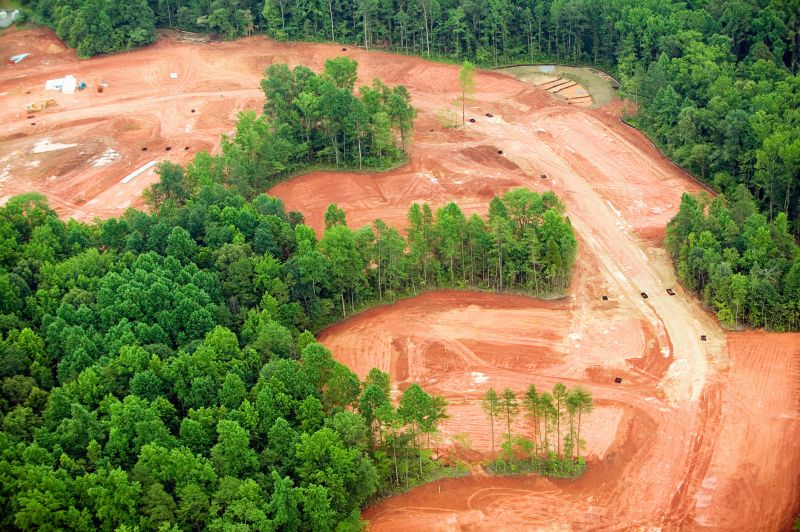
When evaluating professional land clearing services, it’s important to consider the experience of local contractors with similar projects. Land clearing can vary significantly depending on the size, terrain, and specific goals of the property, so working with service providers who have a proven track record in handling comparable jobs can provide valuable insight into their capabilities. Homeowners should inquire about the types of land clearing projects the contractors have completed, paying attention to the complexity and scale of those jobs, to ensure they have the necessary expertise to meet the unique demands of their property.
Clear, written expectations are essential when comparing local pros for land clearing. A reputable service provider will offer detailed descriptions of what the project will involve, including the scope of work, methods used, and any potential limitations or considerations. Having this information in writing helps prevent misunderstandings and ensures that both parties are aligned on the work to be done. Homeowners are encouraged to ask for comprehensive proposals or estimates that outline the process, so they can compare offerings effectively and make informed decisions based on the clarity of the service provider’s communication.
Reputable references and strong communication are key factors when choosing a local contractor for land clearing. Speaking with previous clients or reviewing references can provide insight into the contractor’s reliability, professionalism, and quality of work. Additionally, good communication throughout the process - from initial inquiries to project completion - helps ensure that expectations are managed and any questions or concerns are addressed promptly. Homeowners should prioritize service providers who demonstrate transparency, responsiveness, and a willingness to keep them informed at every stage, fostering a smoother and more predictable land clearing experience.
Property owners often search for what’s involved in professional land clearing? when they are planning practical projects around their homes and businesses. Local pros provide Professional Land Clearing services for everyday jobs and straightforward project options.
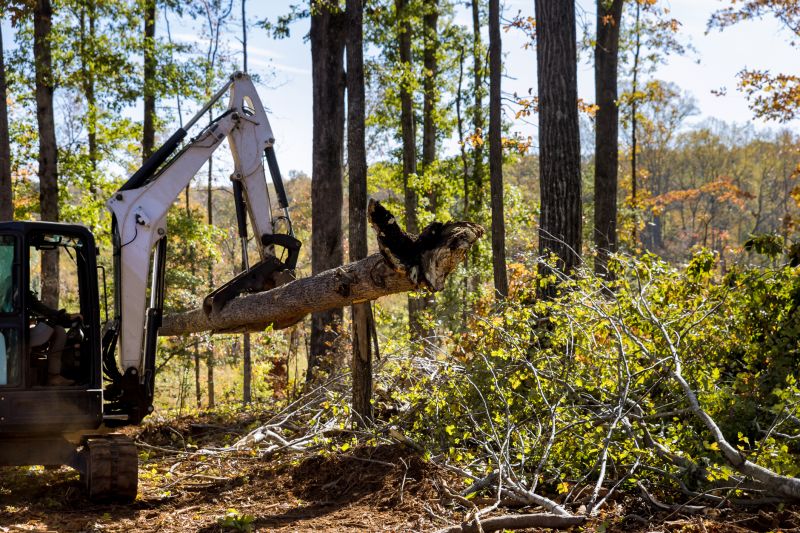
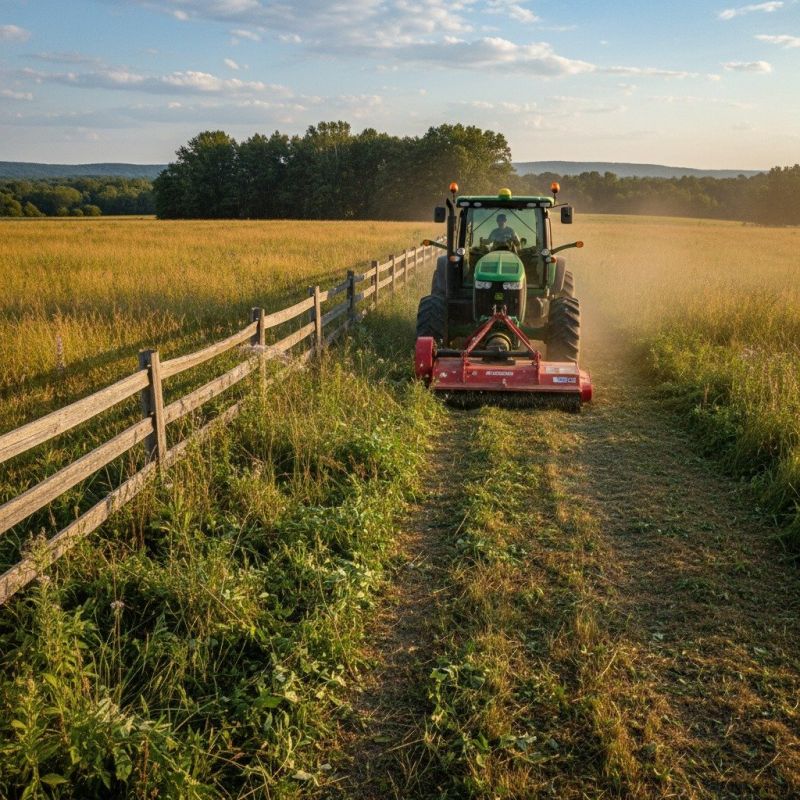
Understanding what’s involved in professional land clearing can help property owners prepare for upcoming projects. Typically, this process involves removing trees, shrubs, and other vegetation to make way for construction, landscaping, or agricultural use. Local contractors often assess the land’s topography and vegetation types to determine the best approach, which may include grinding stumps, hauling away debris, and leveling the ground. These steps ensure the land is properly prepared for its intended purpose, saving property owners time and effort when managing large-scale clearing tasks.
Property owners in the area might look into professional land clearing services when they need to clear overgrown lots or prepare land for new development. They may also seek assistance with removing hazardous or unwanted vegetation that could interfere with future projects or pose safety concerns. Local service providers are equipped to handle a variety of land clearing needs, offering the experience and equipment necessary to efficiently and safely prepare properties for their next phase. Connecting with these professionals can help ensure the job is done thoroughly and in accordance with project goals.
What is involved in professional land clearing? Professional land clearing typically includes removing trees, shrubs, stumps, and other vegetation to prepare the land for development or landscaping. Local contractors use specialized equipment to efficiently clear the area while managing debris and ensuring safety. They may also handle grading and site leveling as part of the process.
What equipment do land clearing services use? Land clearing services often utilize equipment such as bulldozers, excavators, mulchers, and stump grinders. These tools help remove large trees, stumps, and dense vegetation effectively, making the land ready for its intended use.
Are there any environmental considerations during land clearing? While the primary focus is on clearing, local service providers may also implement measures to minimize soil disturbance and manage debris responsibly. However, the main goal is to clear the land efficiently and safely.
What steps are involved in the land clearing process? The process generally involves assessing the site, removing vegetation and obstacles, grinding stumps, and grading the land. Local pros coordinate these steps to ensure a smooth and thorough clearing operation tailored to the property’s needs.
How do professionals ensure safety during land clearing? Local contractors follow safety protocols by using proper equipment and techniques, maintaining clear work zones, and adhering to safety guidelines. This helps prevent accidents and ensures the work is completed securely and efficiently.
Site assessment - Local contractors evaluate the land to identify trees, shrubs, and obstacles that need removal or clearing, helping property owners plan their project effectively.
Equipment selection - Professionals choose the appropriate machinery, such as bulldozers or mulchers, to efficiently handle the specific clearing tasks for the property.
Vegetation removal - Land clearing experts systematically remove unwanted vegetation, making the land ready for development, farming, or landscaping projects.
Debris management - Service providers handle the disposal or recycling of cleared materials, ensuring the site is clean and prepared for the next phase of the project.
If you are thinking about what’s involved in professional land clearing? for a property, this guide is meant to help you understand this topic, the typical project types, and how different options might fit your plans.
When you are ready, you can use the quote form on this page to share a few details about your project. From there, local pros can review the basics and follow up with options that match what you have in mind.